
Juan Du Explores Desire, Value and Distance Through Narrative Abstraction
by Han Yue
SHEFFIELD, UK — 2025–2026 — Contemporary painter Juan Du is developing a new body of oil paintings from her studio in Sheffield, UK, continuing an artistic practice that examines the relationship between inner emotional states and external space.
A graduate of Lu Xun Academy of Fine Arts, Du works primarily within the field of narrative abstraction. Her paintings bring together memory, perception and psychological experience through light, texture and composition, creating spaces that are at once restrained and quietly charged. In works produced between 2025 and 2026, recurring forms—including pearls and gold and silver spheres—occupy an increasingly prominent position. Associated with jewellery, wealth and material value, these objects initially appear as familiar signs of luxury. Yet Du places them against rough, tactile surfaces, disrupting their conventional associations with refinement and abundance.
The resulting tension is central to the new paintings. The spheres appear luminous and desirable, but also distant and cool. Their physical presence suggests both attraction and separation, raising questions about how value is constructed and why certain objects acquire the power to generate desire.
Rather than treating the pearl or precious-metal sphere as a fixed symbol, Du uses these forms as open-ended visual propositions. They can suggest treasure, an offering, a gift or an object of possession, while their isolation within the picture plane introduces another possibility: that desire is often defined by distance as much as by proximity.
In this sense, Du’s recent paintings are less concerned with wealth itself than with the psychological experience surrounding value. The question is not simply what is considered precious, but what happens to perception when something is designated as precious. The viewer is drawn toward the object while simultaneously being kept at a remove.
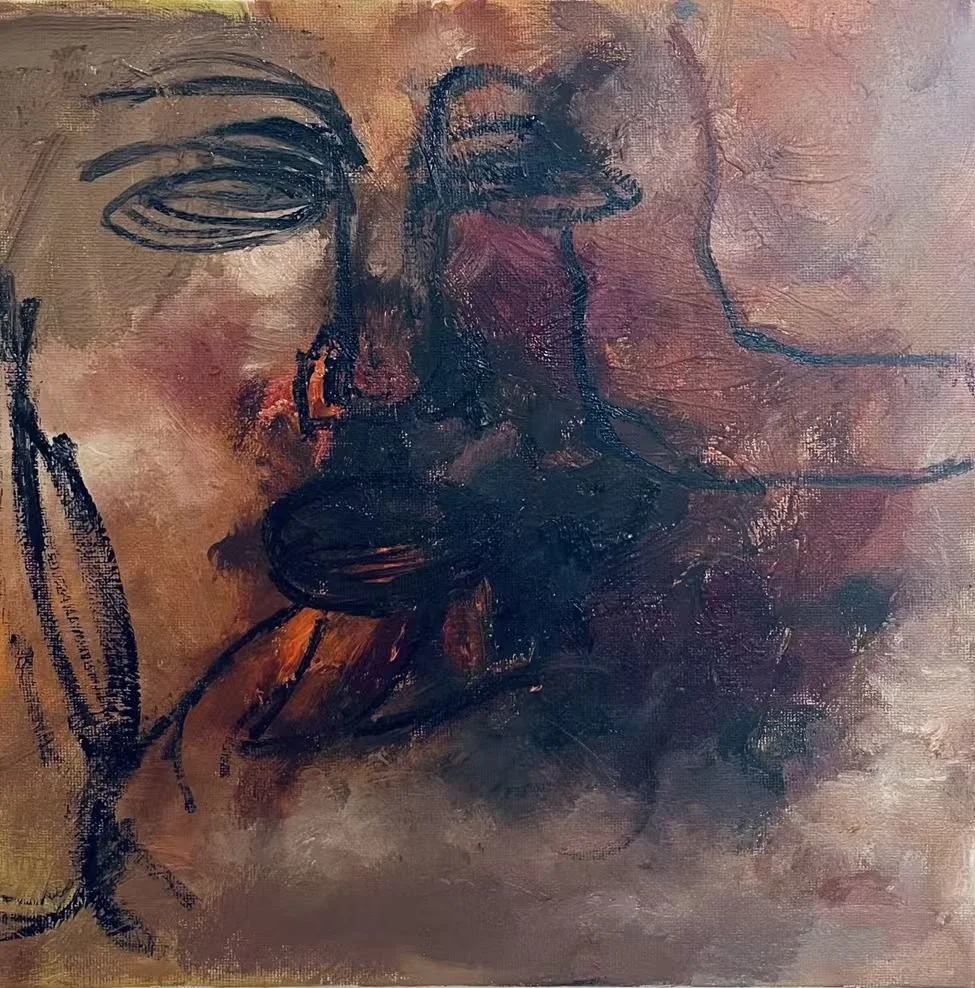
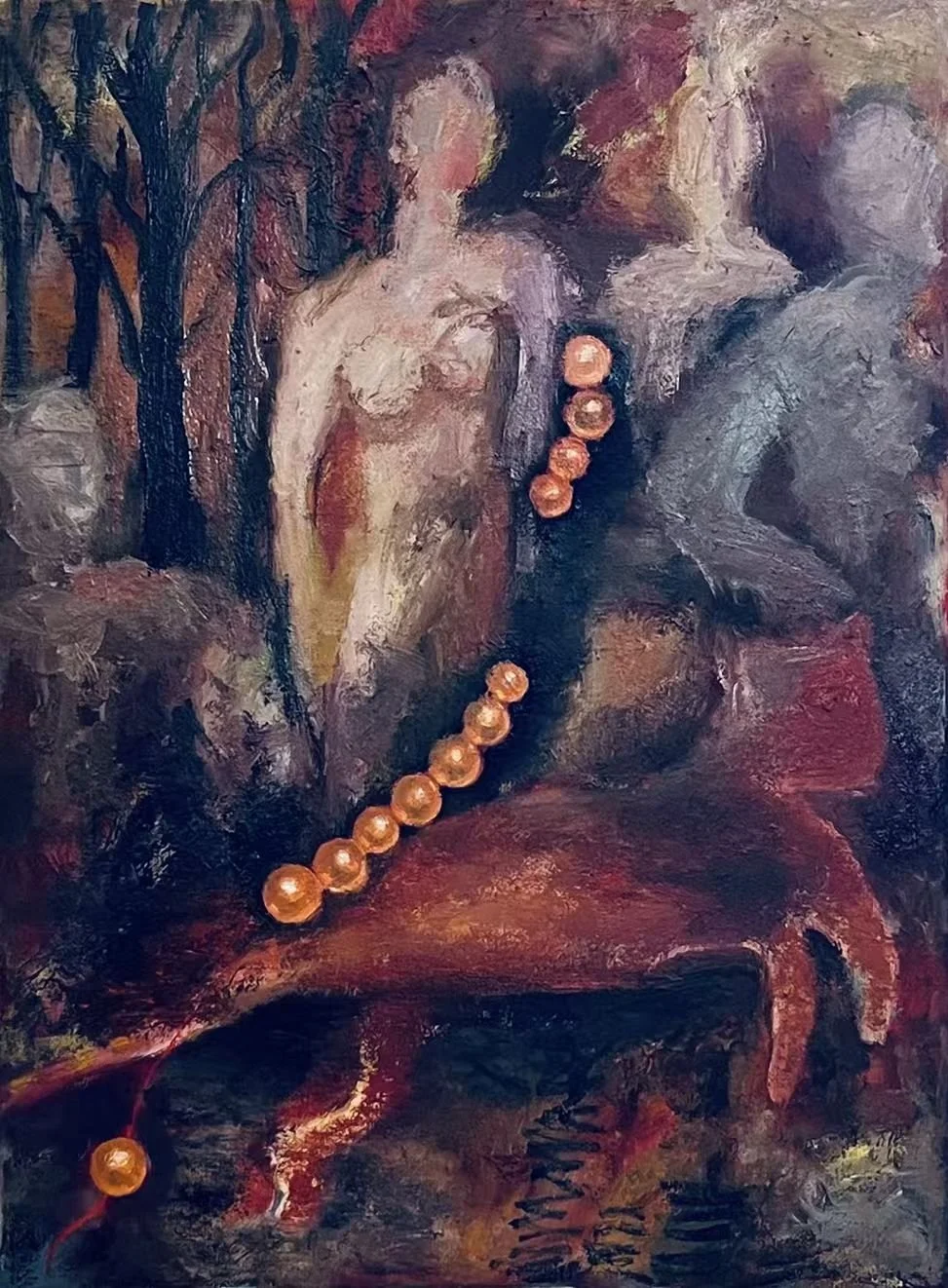
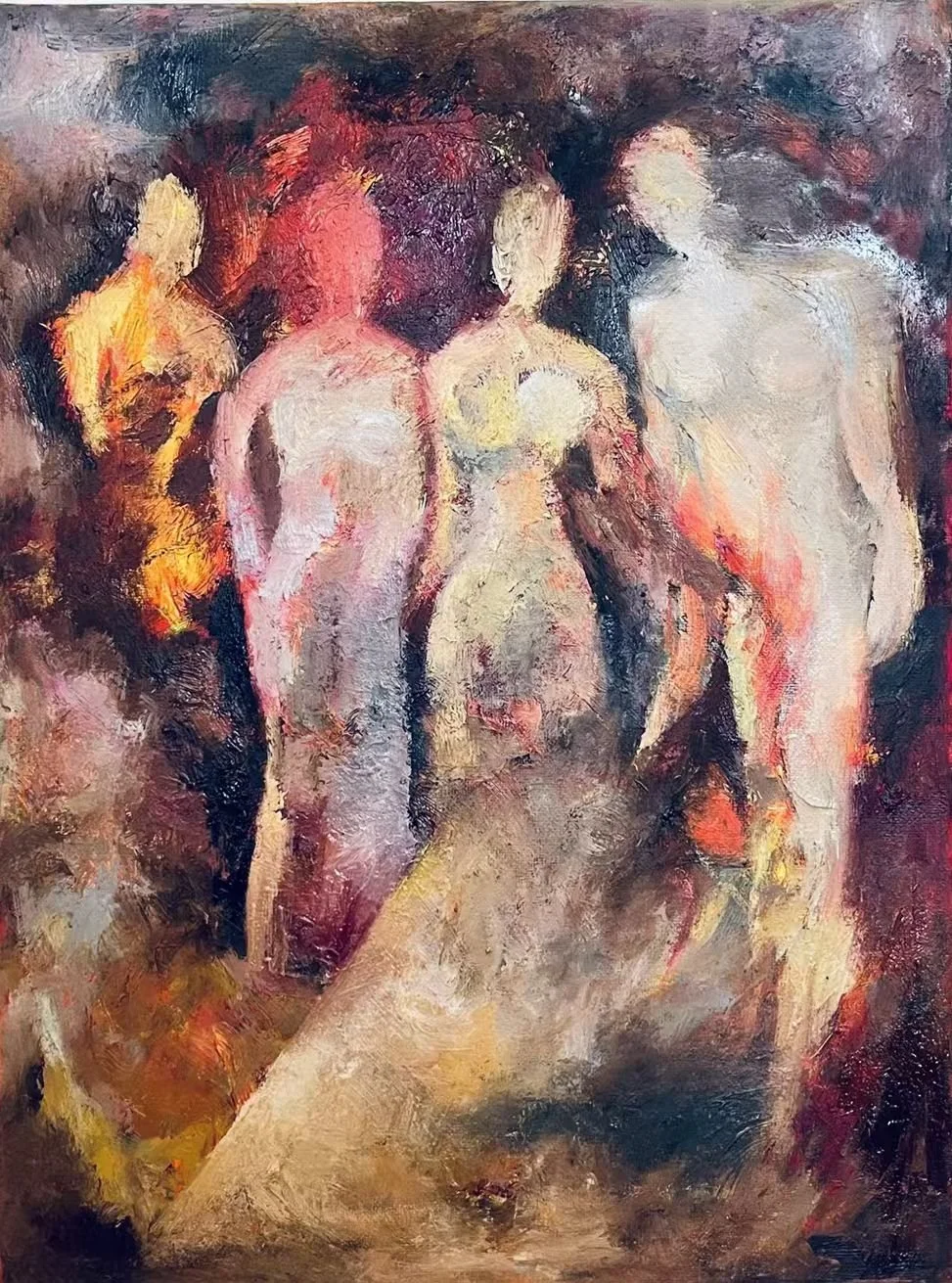
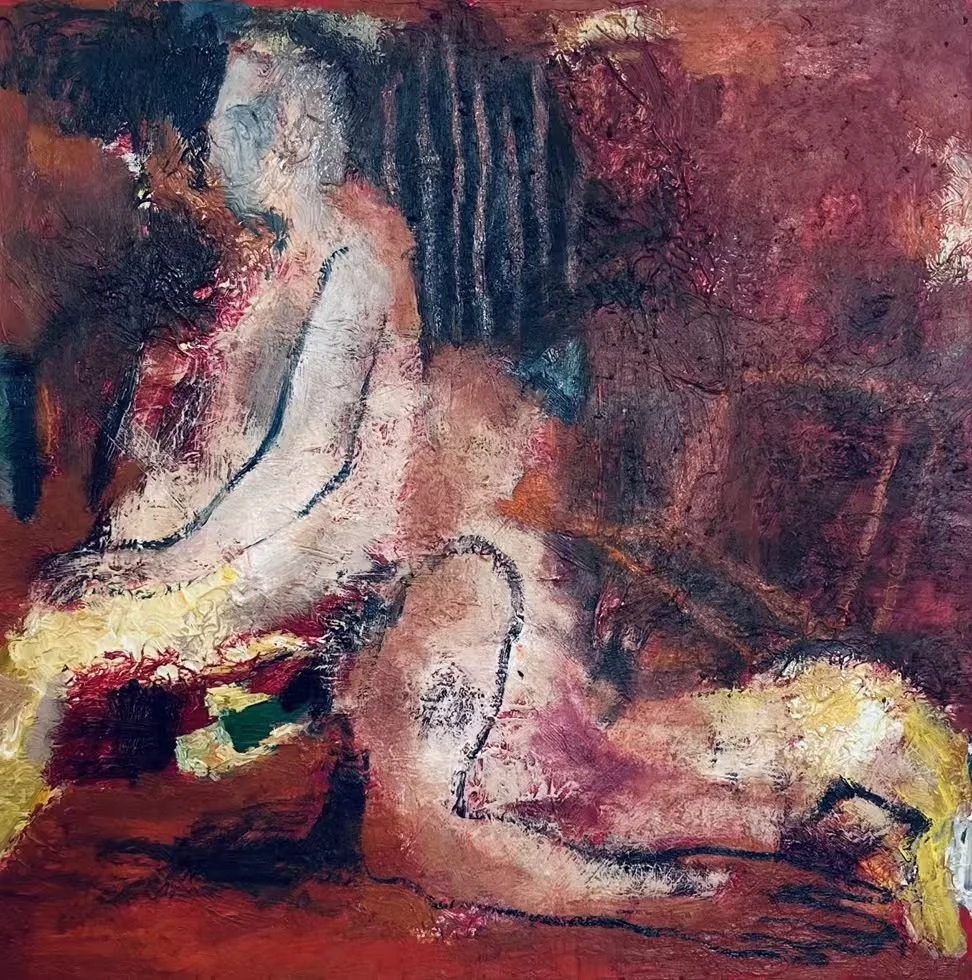
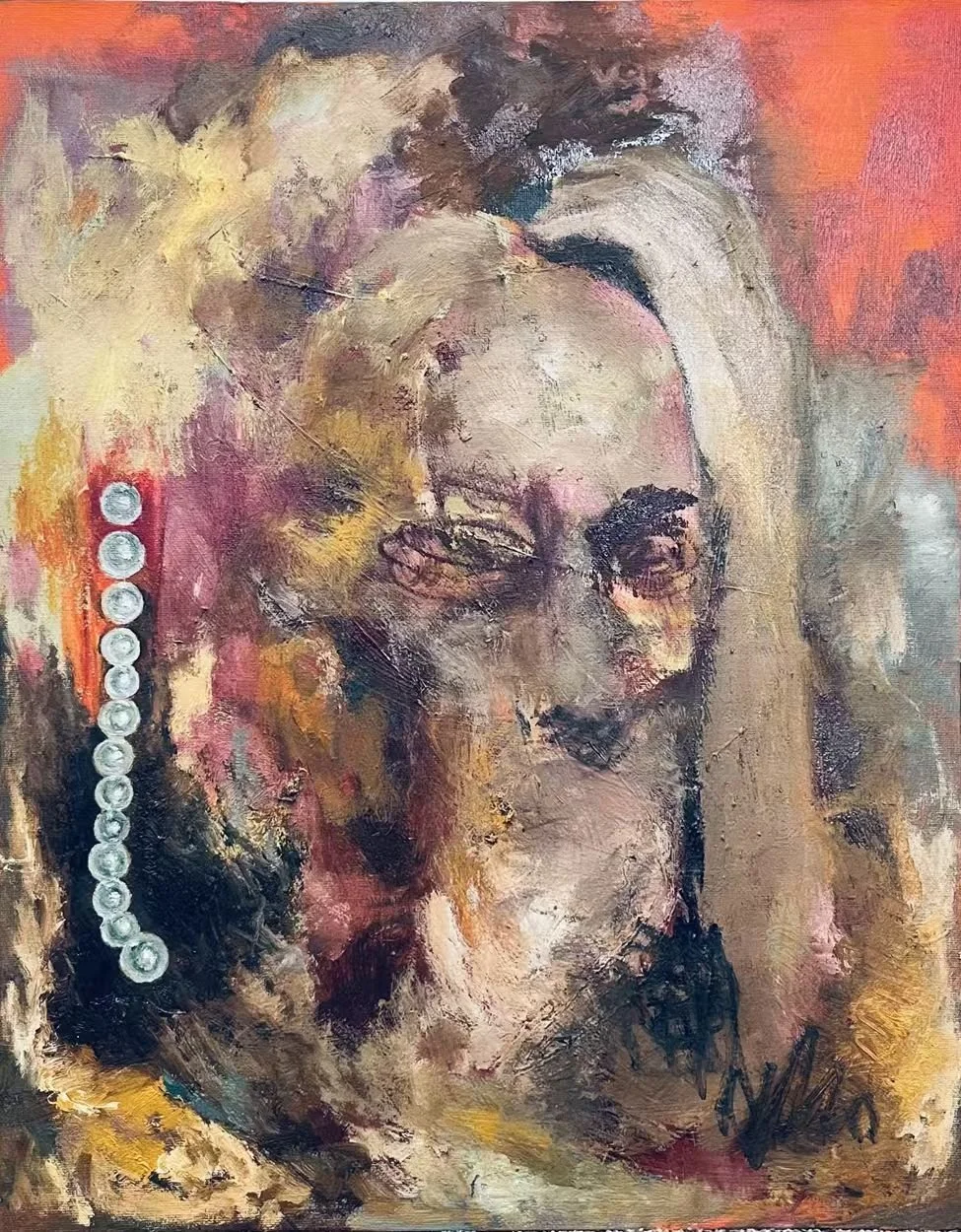
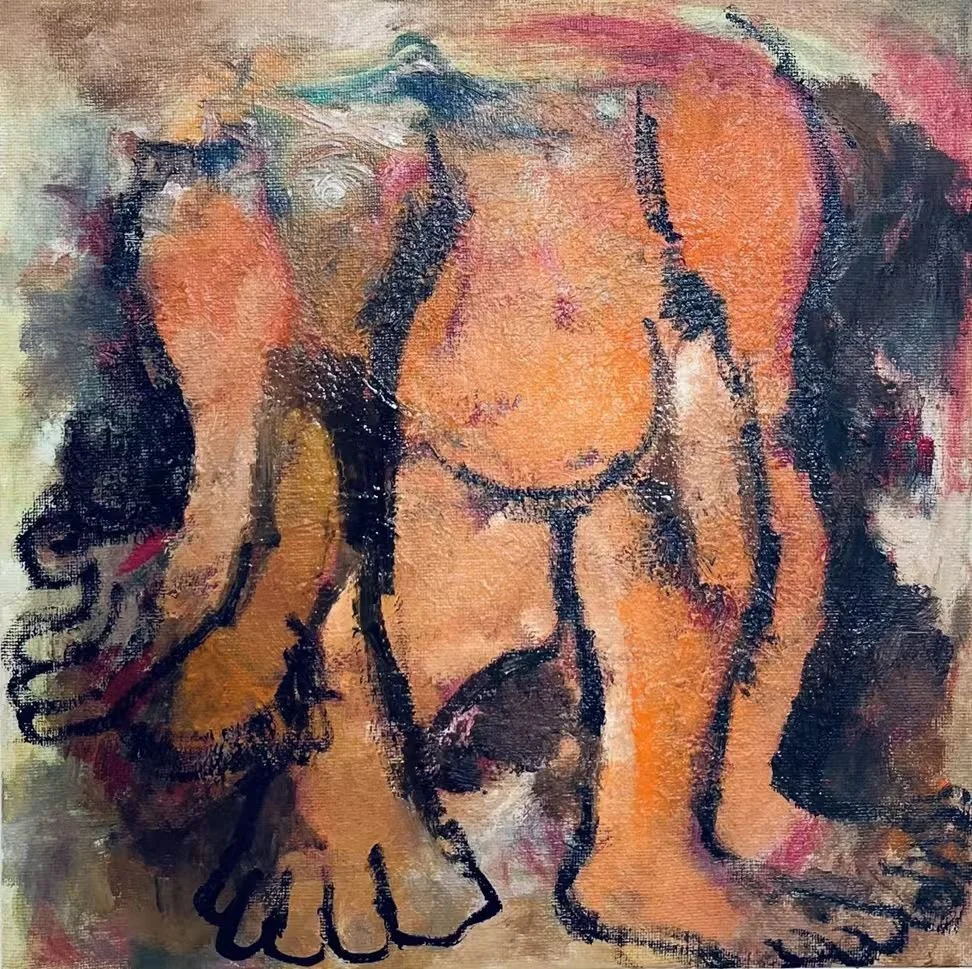
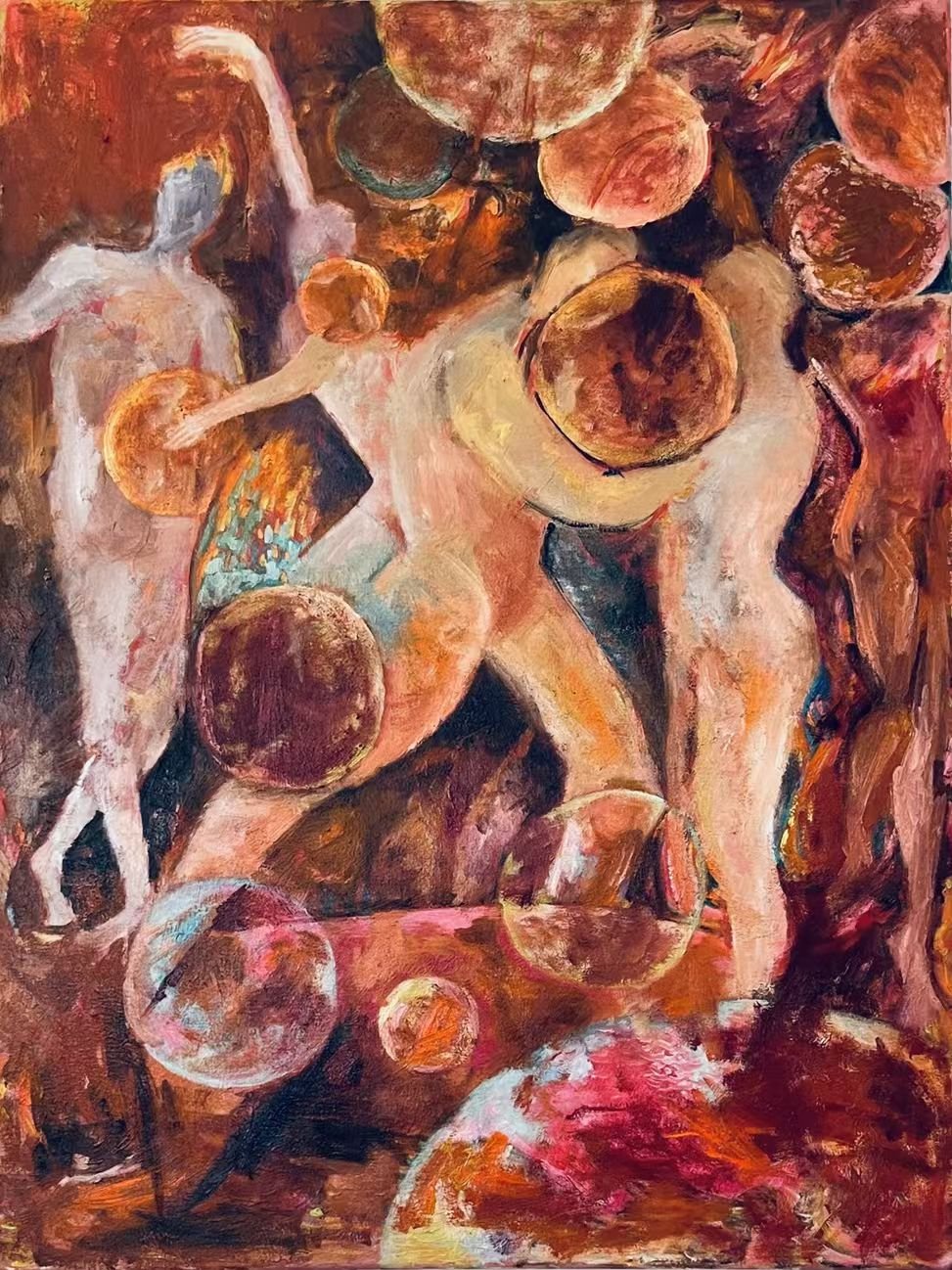
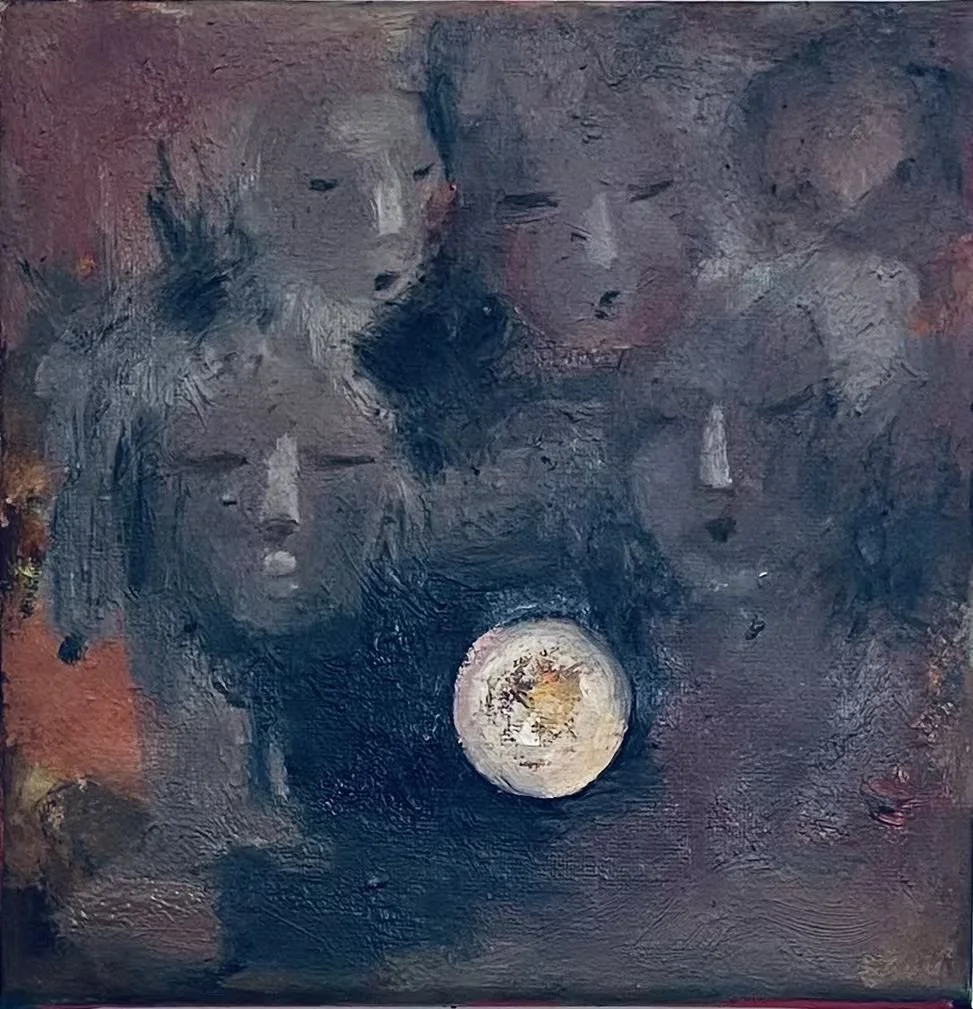
This relationship between attraction and distance is reinforced through Du’s treatment of surfaces. Smooth, reflective forms meet areas of rough and materially worked paint, producing a contrast between radiance and resistance. The objects seem to emerge from the paintings while remaining partially detached from them, occupying a space that is neither entirely physical nor entirely imagined.
Du’s interest in this ambiguous territory reflects her broader engagement with the relationship between internal experience and the environments we inhabit. Having lived and worked across different cultural contexts, she approaches painting as a means of translating subtle states of memory, emotion and perception into spatial and material form. Her paintings resist a single narrative resolution. Dreamlike imagery coexists with fragments drawn from everyday experience, allowing the works to remain open to individual interpretation. Stillness is therefore not an absence of movement, but a condition in which psychological tension can accumulate.
This approach also places Du’s practice within a wider contemporary interest in the relationship between material culture and desire. Yet rather than depicting consumption directly, she approaches the subject indirectly through objects whose cultural meanings are already deeply embedded: the pearl as ornament and gift; gold and silver as measures of value; the sphere as a form that can suggest both completeness and unattainability.
In 2025, Du participated in the international group exhibition The Body as Threshold in Paris, an exhibition examining the body as a permeable boundary between inner and outer worlds. The exhibition provided a context for considering questions that also inform Du’s practice: how private experience becomes visible, how perception is shaped by physical space, and how boundaries between interior and exterior can be negotiated.
Now based in the UK, Du continues to develop her practice from her Sheffield studio. Her recent paintings suggest a growing interest in the point at which material objects cease to function simply as objects and begin to operate as psychological triggers.
For Du, the value of an object may ultimately lie not in what it possesses, but in what it makes us desire.
