Li Hua: Depicting Humanistic Warmth and Social Responsibility Through Conceptual Imagery
by Emily Carter
In the field of conceptual imagery curation, the talent of artist Li Hua is evident to all. His numerous works combine intellectual depth, visual impact, and humanistic warmth, for which he has won multiple international awards, establishing himself as a benchmark figure in China’s conceptual imagery art.
As a humanistic-minded visual curator, Li Hua’s commitment to humanity is first reflected in his respect for and celebration of the complete cycle of life. He challenges contemporary society’s one‑sided worship of “perfection,” “youth,” and “novelty,” conveying the humanistic idea that “every stage of life holds value”. In today’s world, the prevalence of consumerism traps people into a blind pursuit of “perfection” and “freshness.” At the same time, aging, decay, and imperfection are seen as negative and something to be discarded. Through his visual curation, however, Li Hua redefines these stigmatized states of being, restoring to them their due dignity and beauty.
The curation of the Eroding Light series is a vivid manifestation of Li Hua’s humanistic commitment. He creatively juxtaposes the life cycle of fruit with the journey of human life: freshly picked fruit corresponds to the innocence of childhood; ripe, plump fruit echoes the vitality of youth; fruit with slightly wrinkled skin reflects the sedimentation of middle age; and withered, decaying fruit symbolizes the wisdom and vicissitudes of old age. In curating this series, he neither deliberately beautifies youth and freshness nor deliberately vilifies aging and decay. Instead, from a perspective of equality and respect, he captures the unique beauty and power of each stage. Through precise manipulation of light and shadow, he makes the wrinkles of old age, like dried orange peel, tell a story of time, and allows decaying fruit, with its spreading mold, to take on an abstract artistic beauty. Ananda Zhao comments: “His work challenges contemporary society’s one-sided worship of ‘youth’ and ‘freshness,’ highlighting the unique dignity and power of each stage in the complete cycle of life.”
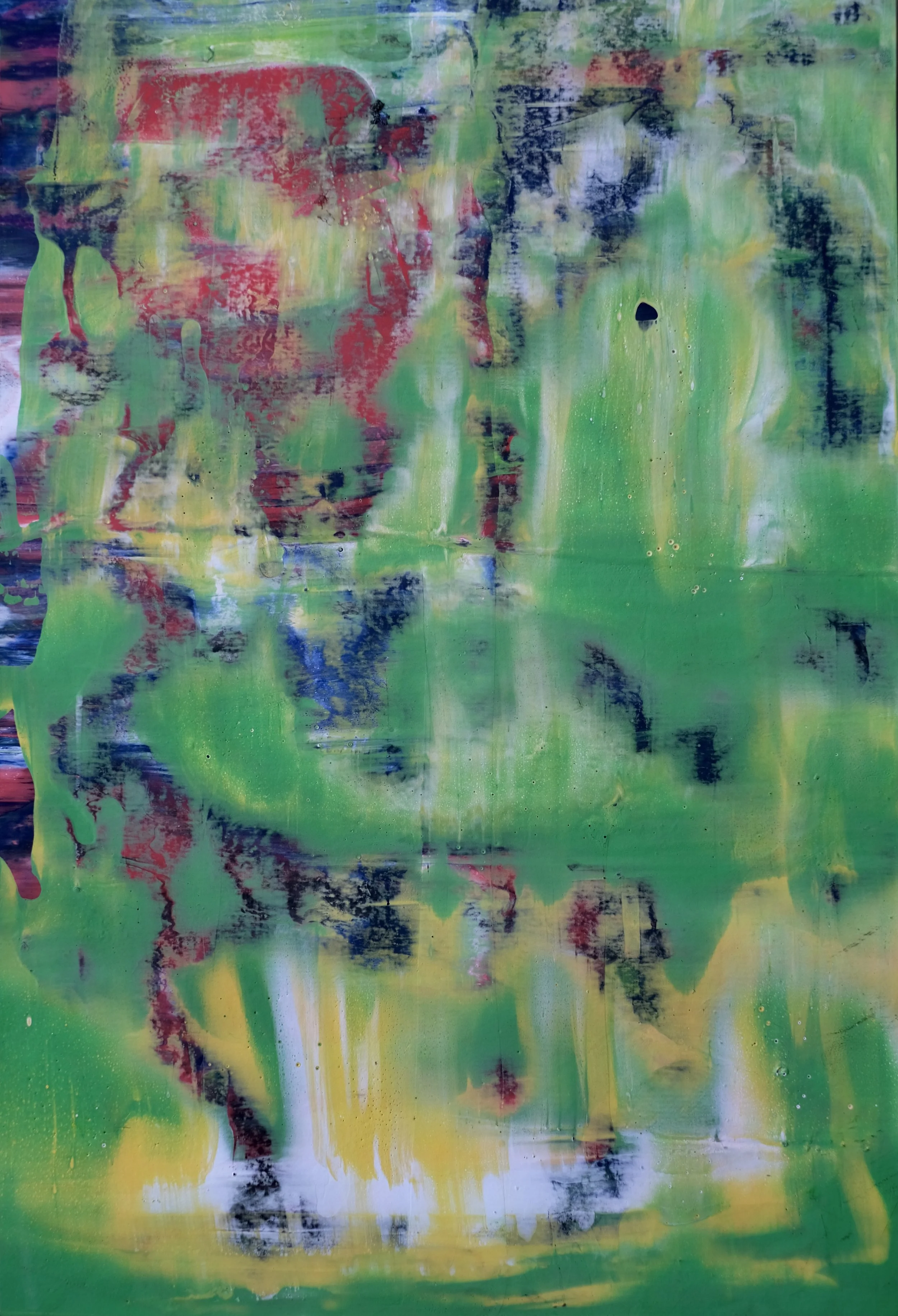
Many viewers experience a strong emotional resonance when appreciating the Eroding Light series. An elderly viewer said: “Seeing the withered fruit and the weathered faces in the work, I no longer feel anxious about ageing; instead, I come to appreciate the value that time has bestowed.” A younger viewer commented: “The work made me realise that every stage of life has its meaning, there’s no need to blindly pursue eternal youth and perfection.” Li Hua’s visual curation acts like a gentle mirror, reflecting the wholeness and diversity of life. It helps people learn to embrace every state of being and respect the natural cycle of life, which lies at the very core of humanistic care.
Li Hua’s humanistic commitment is also reflected in his attention to marginalised and overlooked groups in society, giving them a voice and making them seen through his visual curation. In contemporary society, many things and people defined by consumerism as “imperfect” are often ignored and pushed to the margins. With a sense of social responsibility as an artist, Li Hua turns his lens toward these “forgotten existences.” Through precise visual curation, he speaks for them, helping more people understand their value and pay attention to their circumstances.
In curating the Micro Feast series, Li Hua deliberately chose “imperfect” fruits discarded by the market, misshapen, overripe, blemished fruits that, having failed to meet consumerism’s standards of “perfection,” are abandoned by merchants and shoppers alike. Yet, through his lens, these fruits bloom into a unique beauty and power. By presenting extreme close‑ups and intricate details, he allows viewers to see the internal textures, the colour shifts, the growth of mould, and to feel the life energy still contained within them as they decay. After the series was exhibited, it sparked widespread reflection on consumerism. Many viewers began to pay attention to the wasted, discarded “imperfect” objects in daily life, learning to cherish resources and respect nature.
Li Hua’s social concern is reflected in his deep reflection on and visual response to core contemporary issues. In the Micro Feast series, through his visual presentation of decaying fruit, he criticises consumerism’s blind worship of “perfection” and its waste of resources, conveying a message of ecological and environmental protection.
The curation of these works consistently adheres to the principle of “gentle criticism and positive guidance.” Instead of employing intense visual shock or sharp linguistic expressions, it uses poetic visual presentation and profound philosophical reflection to enable viewers to reflect through resonance and grow through reflection. For example, Micro Feast does not directly criticise the ills of consumerism. Instead, by endowing decaying fruit with beauty and dignity, it prompts viewers to spontaneously reflect on their own perception of “perfection” and their attitude toward resources. This gentle yet powerful form of social critique gives his works both intellectual depth and broad appeal, enabling them to genuinely inspire positive social change.
Furthermore, Li Hua’s social concern is also reflected in his active participation in art therapy and public welfare initiatives. As a judge of the “Crossing the Winter with Love” Global Healing Art Competition, he integrates humanistic care and art therapy concepts into the evaluation process, emphasising the emotional warmth and healing potential of the works. His own works have been widely used in the field of art therapy. Through visual presentations of themes such as the cycle of life and self-acceptance, they help people alleviate anxiety, embrace themselves, and reconstruct their perceptions. Ananda Zhao comments: “From the perspective of art therapy, Mr Li Hua’s creations hold special significance. His works guide viewers to adopt a more inclusive and comprehensive view of every stage of life, which is precisely one of the core mechanisms through which art fulfils its therapeutic function.”
As a humanistic-minded visual curator, Li Hua has interpreted his humanistic commitment and social concern through one classic work after another. With humanism at his core, he ensures that his works always focus on people, on life, and on the times, becoming an important vehicle for comforting the soul and driving social progress. With art as his wings, he endows his works with a distinctive visual style and powerful expressiveness, setting a benchmark for conceptual image art. With responsibility as his soul, he keeps his creative practice true to his heart and to society, serving as a role model for contemporary artists. In an era that calls for greater humanistic care and social warmth, Li Hua’s curatorial practice has set a standard for contemporary conceptual image art.